The Economy and the Pendulum
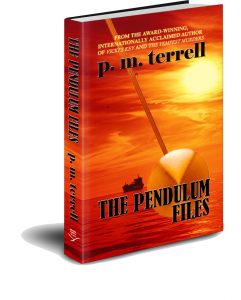 Think tanks analyzing the results of the 2016 election have come to the conclusion that the overriding factor was the nation’s economy, which was interesting to me considering the theme of one of my recent books, The Pendulum Files.
I remember well the 1992 presidential campaign in which Ross Perot described the problems with competing against other countries for manufacturing. At the time his comment about that “giant sucking sound” was ridiculed but given the issues that many once-thriving towns and cities have faced over the past 24 years, it’s worth listening to this again:
I also remember all too well how George H.W. Bush described Ronald Reagan’s plan of giving tax breaks to the wealthiest 1% as “voodoo economics”.
The theory was known as trickle-down economics and the way it was intended to work was to provide the wealthiest—those who owned stock in the largest corporations—the largest tax cuts so they would have more money to invest in their companies. It was thought that with much more disposable income, they would hire more people and expand their business enterprises. But economists have proven that it didn’t work. Those who received huge tax cuts simply kept more money for themselves. Perhaps they bought more houses or more lavish houses, expensive boats or automobiles or consumables, but what they didn’t do was hire more people. In fact, the wealthiest among us have become increasingly wealthier not only with the Reagan-era tax cuts but also by moving their operations to countries where there is no minimum wage, there are little or no environmental controls, no healthcare or benefits provided, and sometimes even utilize child labor.
Writing a book involving presidential politics while intentionally remaining out of a party line is like walking a tightrope. In The Pendulum Files, the reader doesn’t know if the candidate leans Republican or Democrat and often when I write about politics, I intentionally create a candidate that is Independent—one who essentially believes in some of the principles of one party while staying closer to other principles in the opposite party.